
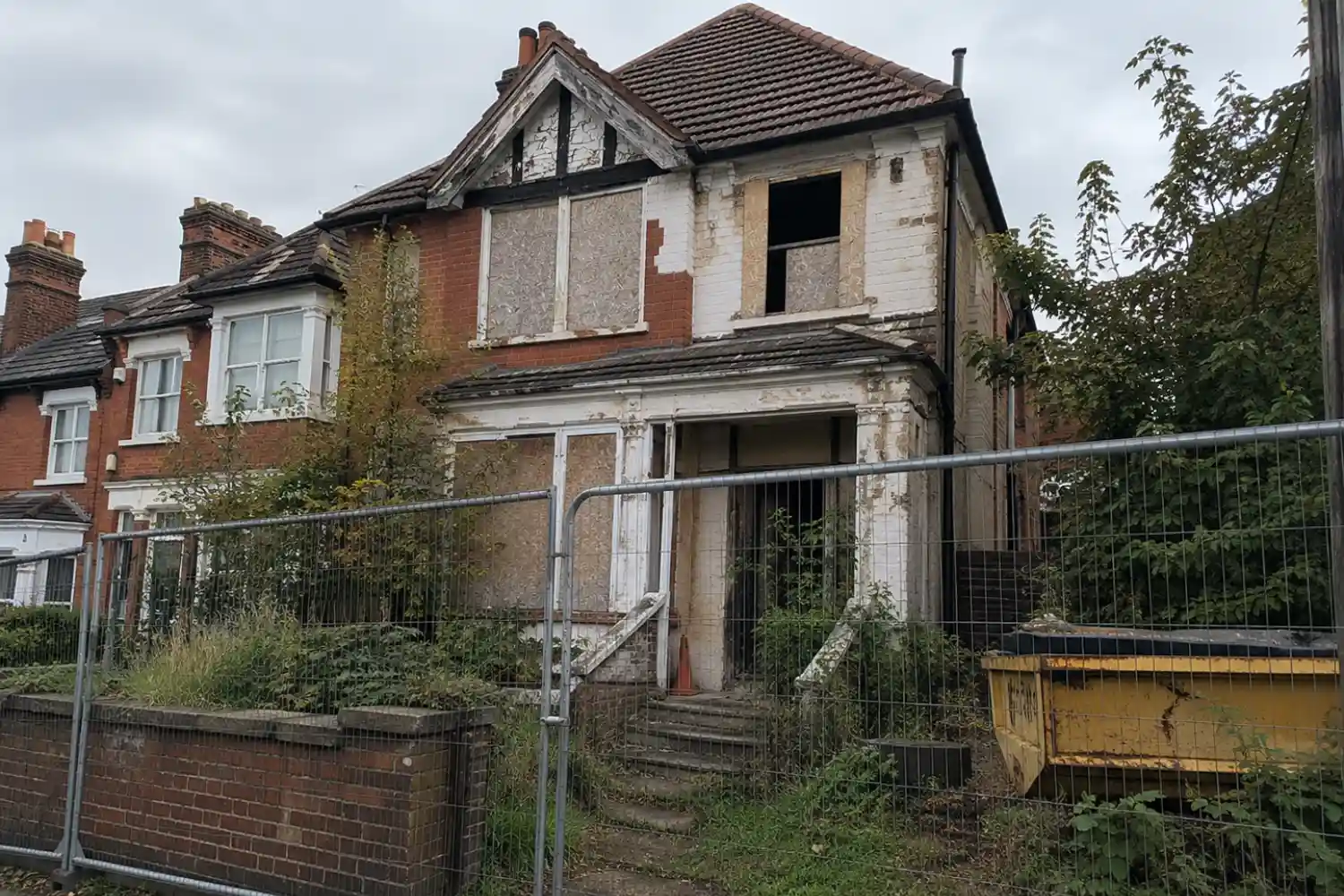
A bridging loan for probate property is one of the most practical tools available when you need to move quickly on an inherited estate. Whether you are an executor trying to settle debts, a beneficiary hoping to buy out co-inheritors, or a buyer who has spotted a below-market opportunity, probate properties come with deadlines that standard mortgages simply cannot meet.
This guide explains exactly how bridging finance works in a probate context, who can use it, what lenders look for, and why having the right legal support in place makes all the difference.
Why standard mortgages are refused on uninhabitable properties
Mortgage lenders operate strict criteria around the condition of a property. Their primary concern is security — if you default on the loan, they need to be confident they can sell the property quickly to recover their funds.
A property that cannot be lived in immediately has a lower market value and a smaller pool of potential buyers. This makes it riskier collateral, and most high-street lenders simply will not accept it.
Common reasons a property is classed as uninhabitable include:
- No functional kitchen or bathroom
- A roof in poor repair, allowing water ingress
- Severe structural movement or subsidence
- Extensive damp, mould, or pest infestation
- No electricity or heating system
This is precisely where unmortgageable property finance steps in. Bridging lenders operate differently — they assess the property on its future value rather than its current condition, and they are equipped to move quickly.
What lenders look for when assessing a derelict property bridging loan
Not all bridging lenders will accept every uninhabitable property, but those that specialise in this type of lending have a clearly defined checklist. Understanding what they look for gives you a significant advantage when putting your application together.
1. The security property
The property itself is the lender’s primary concern. A RICS-registered surveyor will be instructed to carry out a formal valuation. For uninhabitable properties, lenders want to understand two figures: the current value as-is, and the projected value once the planned works are complete (known as the gross development value, or GDV).
The stronger the difference between those two figures, the more confident a lender can be. Understanding how this valuation is conducted is worth reading up on before you apply — our guide to how bridging loan valuations work explains the process in full.
2. A credible exit strategy
Lenders will not approve a derelict property bridging loan without a clear and realistic exit strategy. This is how you plan to repay the loan — most commonly by either refinancing to a buy-to-let mortgage once the property is habitable, or by selling the completed renovation on the open market.
If you are planning to refinance, many lenders will want to see an agreement in principle from a mortgage provider before approving the bridge. This demonstrates that your exit is not just a plan — it is confirmed.
3. Loan-to-value ratio
Bridging lenders cap the amount they will lend based on the current value of the property. For uninhabitable properties, most lenders apply a lower LTV than they would for a standard residential purchase, typically between 60% and 70% of the current value.
This means you will need a meaningful deposit. How much you need to bring to the table depends on the lender and the specific condition of the property — our article on how much deposit is needed for a bridging loan covers the key figures.
4. Renovation plans and costs
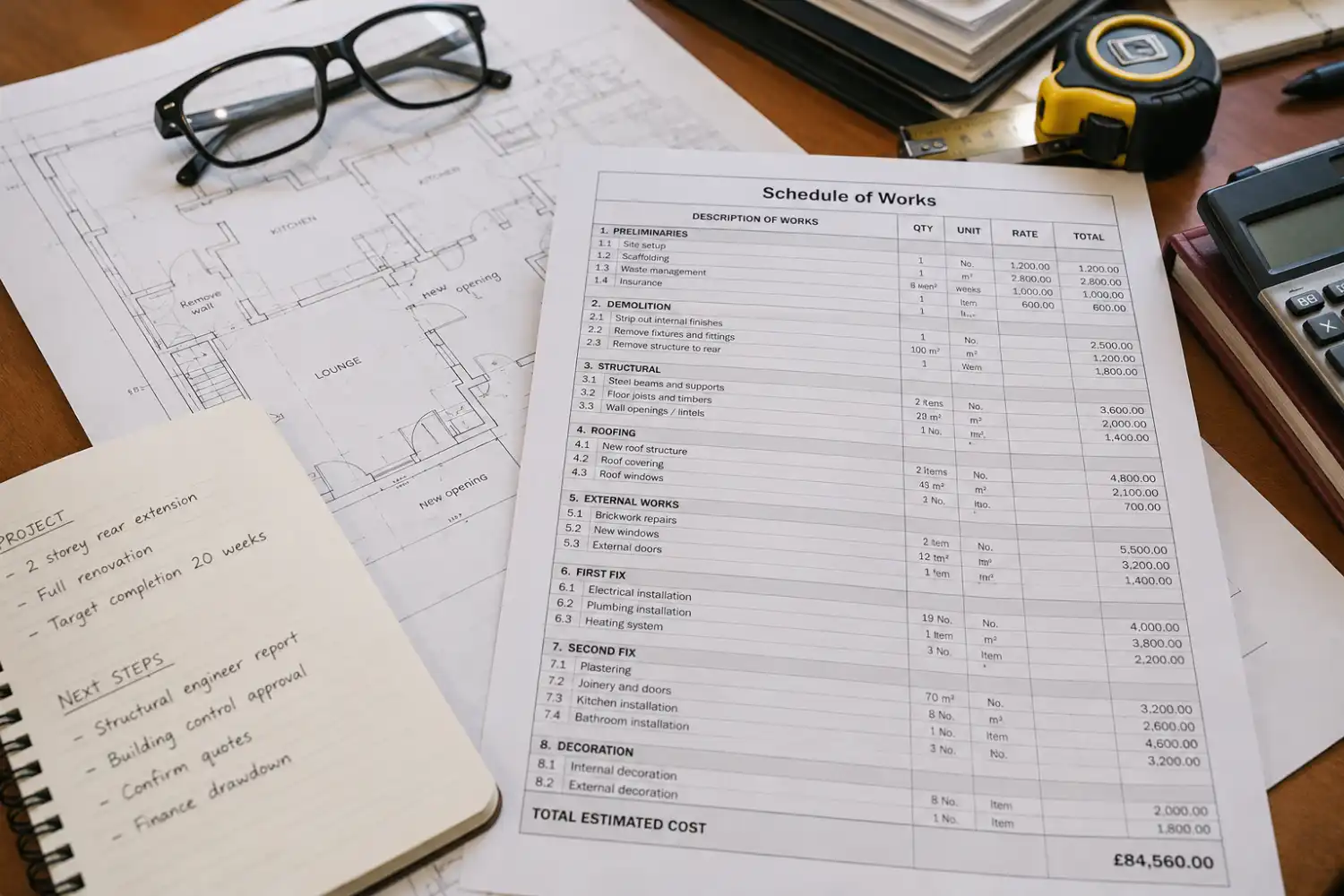
Lenders want to see that the works required are realistic, costed, and achievable within your loan term. You will typically need to provide a schedule of works, contractor quotes where available, and a clear timeline for completion.
The more detailed and credible your renovation plan, the more confidence the lender can have in the deal. Vague or undercosted plans are a common reason for applications to be delayed or declined.
5. Borrower experience
While bridging lenders are generally more flexible than mortgage providers, many prefer applicants who have previous experience renovating or developing property. First-time buyers taking on a full structural renovation face a higher bar.
This does not mean inexperienced borrowers cannot access bridging loans for uninhabitable properties — it simply means the rest of the application needs to be particularly strong. Working with a solicitor who knows the bridging market can help you present your case effectively.
The role of a bridging loan solicitor in probate
In any bridging loan transaction, having a bridging loan solicitor acting for you is not optional — lenders require it. In a probate context, the solicitor’s role becomes even more important.
A bridging loan solicitor working on a probate transaction will typically:
- Confirm the legal status of the estate and advise on what can proceed before probate is granted
- Carry out title checks on the property to identify any restrictions, charges, or issues that could affect the loan
- Liaise with the estate’s probate solicitors to ensure both processes run in parallel without conflict
- Register the lender’s legal charge against the property with HM Land Registry — a requirement for the bridging loan to be approved
- Manage the secure transfer of funds and ensure compliance with anti-money laundering rules
- Advise on the exit strategy and assist with the legal work required when the loan is repaid
Acting exclusively for borrowers — not lenders — our solicitors at Bridging Loan Lawyers give you independent advice at every stage. We know the process inside out, and we know speed matters.
Not sure how your application will be assessed?
Every uninhabitable property is different, and the legal side of bridging finance adds a layer of complexity that can slow deals down if it is not handled correctly. Our team acts exclusively for borrowers — we can review your situation, explain how lenders are likely to assess your case, and make sure the legal process does not hold up your funding. Get in touch with our bridging loan solicitors for a free initial consultation.
Regulated vs unregulated bridging loans for uninhabitable properties
Whether your loan is regulated or unregulated matters — and it is determined by how you intend to use the property, not just its condition.
A regulated bridging loan applies where the borrower or a close family member intends to occupy the property. These loans are overseen by the Financial Conduct Authority (FCA) and carry a maximum term of 12 months.
An unregulated bridging loan applies to investment or commercial purposes — for example, buying to rent or to sell. These loans can run for up to 24 months and offer more flexibility around interest payment options.
Most buyers using bridging loans for uninhabitable properties are investors or developers, making unregulated loans the more common route. Knowing which category applies to you is important from the outset. Our bridging loan application timeline guide walks through what to expect step by step.
How interest works on unmortgageable property finance
Interest on bridging loans for uninhabitable properties is calculated monthly rather than annually. Rates for properties in poor condition are typically towards the higher end of the market, as the lender is taking on greater risk.
Current rates across the bridging market range broadly, and what you are offered will depend on the LTV, the property condition, and your exit strategy. Our overview of bridging loan interest rates in 2026 gives a useful benchmark.
There are three main ways interest can be structured:
- Rolled-up interest — added to the loan and paid at the end of the term. Common for regulated loans and useful if cashflow is tight during the renovation.
- Retained interest — deducted upfront from the loan amount. This reduces your net day-one funds but removes the uncertainty of a final lump sum.
- Serviced interest — paid monthly, as you would with a standard mortgage. This keeps the total loan balance lower but requires regular outgoings during the build.
Understanding which structure suits your renovation budget is part of what a good solicitor will help you think through before you sign.
The legal process for a derelict property bridging loan
Once a lender offers terms on a derelict property bridging loan, the legal work begins. This is where the process can either move quickly or stall — and it largely depends on having experienced solicitors on both sides who understand bridging transactions.
The key legal steps include:
- Title investigation — checking ownership, restrictions, and charges on the property
- Property searches — local authority, drainage, and environmental checks
- Loan agreement review — ensuring the terms match what was agreed and the borrower fully understands the obligations
- Charge registration — securing the lender’s interest at the Land Registry
- Funds transfer — managing the drawdown once all conditions are satisfied
For uninhabitable properties, legal due diligence can throw up additional complications — planning restrictions, listed building status, party wall disputes, or environmental issues that affect the security. Having a solicitor with genuine expertise in bridging transactions means these issues are identified and dealt with early rather than discovered at the point of completion.
For a detailed look at what the Land Registry charge process involves — including how priority searches work — the official Land Registry guidance provides useful background.
Common pitfalls when applying for bridging loans for uninhabitable properties
Applications for unmortgageable property finance fail more often than they should — and usually for avoidable reasons. The most common issues we see include:
- An exit strategy that is too vague or reliant on a single buyer. Lenders want to see that repayment is secure, not contingent on one uncertain outcome.
- Underestimated renovation costs. Lenders see a lot of renovation deals and they will challenge figures that look optimistic. Independent contractor quotes carry more weight.
- Delays in the legal process caused by incomplete title documentation or issues with the property’s planning history.
- Choosing a lender without experience in uninhabitable properties. Not all bridging lenders will accept these deals — approaching the wrong ones wastes time.
Preparation is the most effective way to avoid these delays. Getting your solicitor involved early — before you even have a formal offer from a lender — means the legal groundwork is done and the deal can complete on schedule.
What happens after the bridging loan: refinancing to a mortgage
Once renovation is complete and the property is habitable, the next step is typically to refinance your derelict property bridging loan onto a conventional mortgage or buy-to-let product. This is the exit strategy in action.
For the refinance to go smoothly, the property must meet standard mortgage criteria — which means the works must be fully complete, a new RICS valuation must confirm the improved value, and building regulations sign-off must be in place where required.
Your solicitor plays a central role here too. They will manage the redemption of the bridging loan, ensure the charge is properly discharged, and handle the transfer to the new lender. Timing matters — if your bridging term expires before the refinance completes, you may face default interest and additional charges.
Ready to secure your uninhabitable property deal?
If you are moving forward with a bridging loan for an uninhabitable or derelict property, having the right legal support from day one makes a real difference. Our solicitors act exclusively for borrowers — not lenders — so our focus is entirely on getting your deal across the line as efficiently as possible. We work with borrowers across England and Wales on bridging transactions of every size, from single-property renovations to larger development projects.