
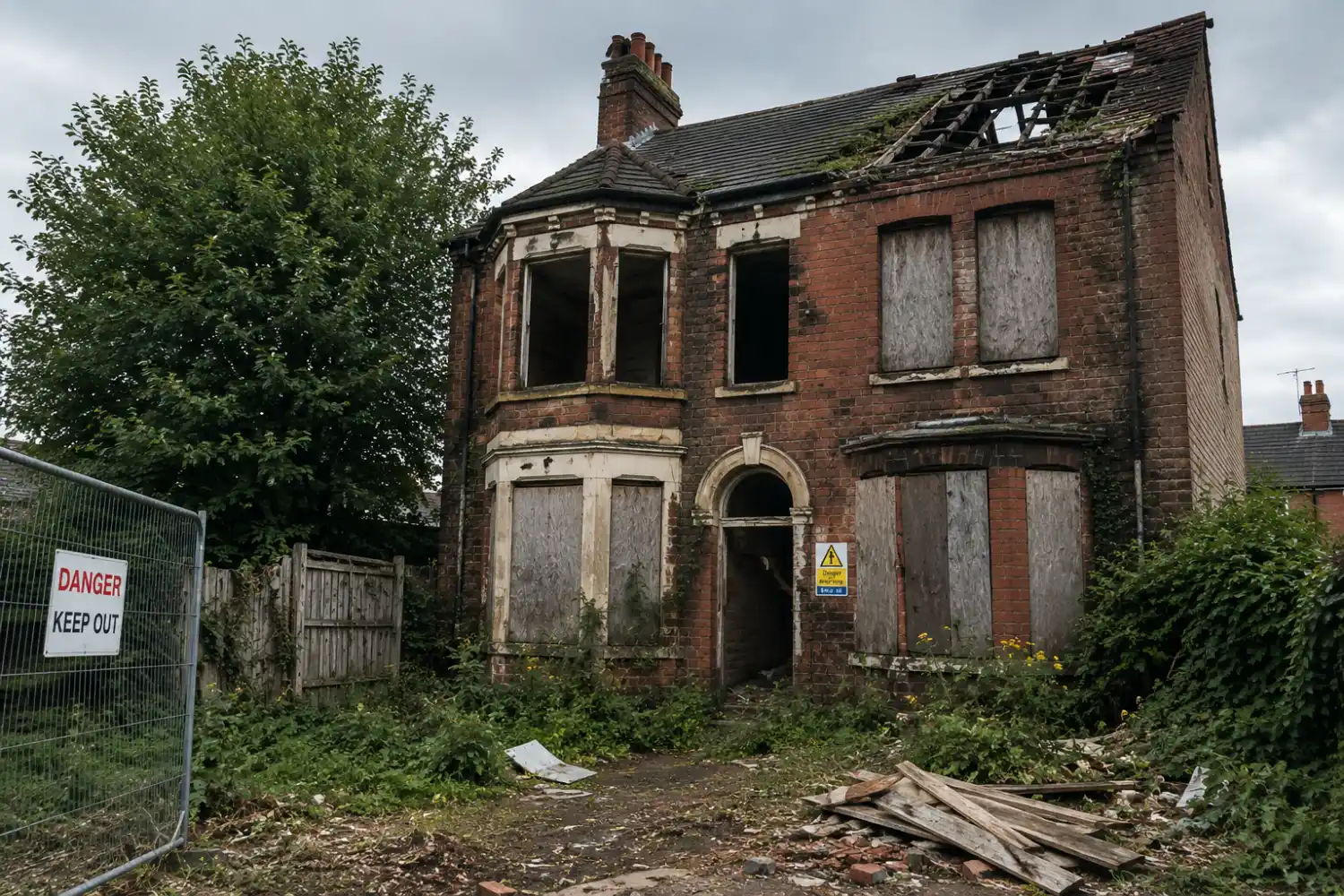
Yes, a bridging loan is usually the most realistic way to borrow against a property that a standard mortgage lender has written off as uninhabitable. Where a mainstream lender sees a property with no working kitchen or a leaking roof and simply declines the application, a bridging lender is often willing to look at the same property and lend against it. This guide explains why that gap exists, what lenders actually check, and what to have ready before you apply.
Why standard mortgages won’t touch an uninhabitable property
Mortgage lenders price their risk on the assumption that, if a borrower defaults, they can repossess and sell the property fairly easily. A property that nobody can move into straight away is much harder to sell quickly, which makes it a poor fit for a product designed to run for 25 or 30 years at a low rate of interest.
That is why an uninhabitable property gets an automatic “no” from most high street lenders, regardless of how strong the applicant’s income or credit history looks. The decision is about the asset, not the borrower, and it is what turns an otherwise perfectly good investment opportunity into something lenders label unmortgageable.
What actually makes a property “uninhabitable”?
Estate agents describe plenty of properties as needing “TLC,” but uninhabitable is a specific standard, not just a rough finish. Lenders generally expect a property to have, at minimum:
- A watertight roof and sound structure
- A working kitchen
- A functioning bathroom with an indoor toilet
- Electricity and a working heating system
- Secure doors and windows
- No significant infestation of pests or accumulation of refuse
Miss more than one or two of these, and most mainstream mortgage lenders will decline the application outright, however good the applicant otherwise looks on paper. It is worth noting that a property can be unmortgageable for reasons that have nothing to do with habitability too, such as unusual construction types or a flat above a commercial unit, though those cases are handled slightly differently by lenders.
This is exactly where a bridging loan fits in
A bridging loan works differently because it is fundamentally an asset-based product. The lender’s main question is not “can this person afford a 25-year mortgage,” but “does this deal make sense, and is there a credible way to repay the loan.” That shift in focus is precisely why a bridging loan on an uninhabitable property is often achievable even when a mortgage application on the same address would be refused immediately.
Because the lending decision leans so heavily on the asset and the exit, a bridging loan can also work for borrowers who would struggle with a standard mortgage for other reasons entirely, including adverse credit, being newly self-employed, or lacking a long track record as a property investor.
How lenders value an uninhabitable property
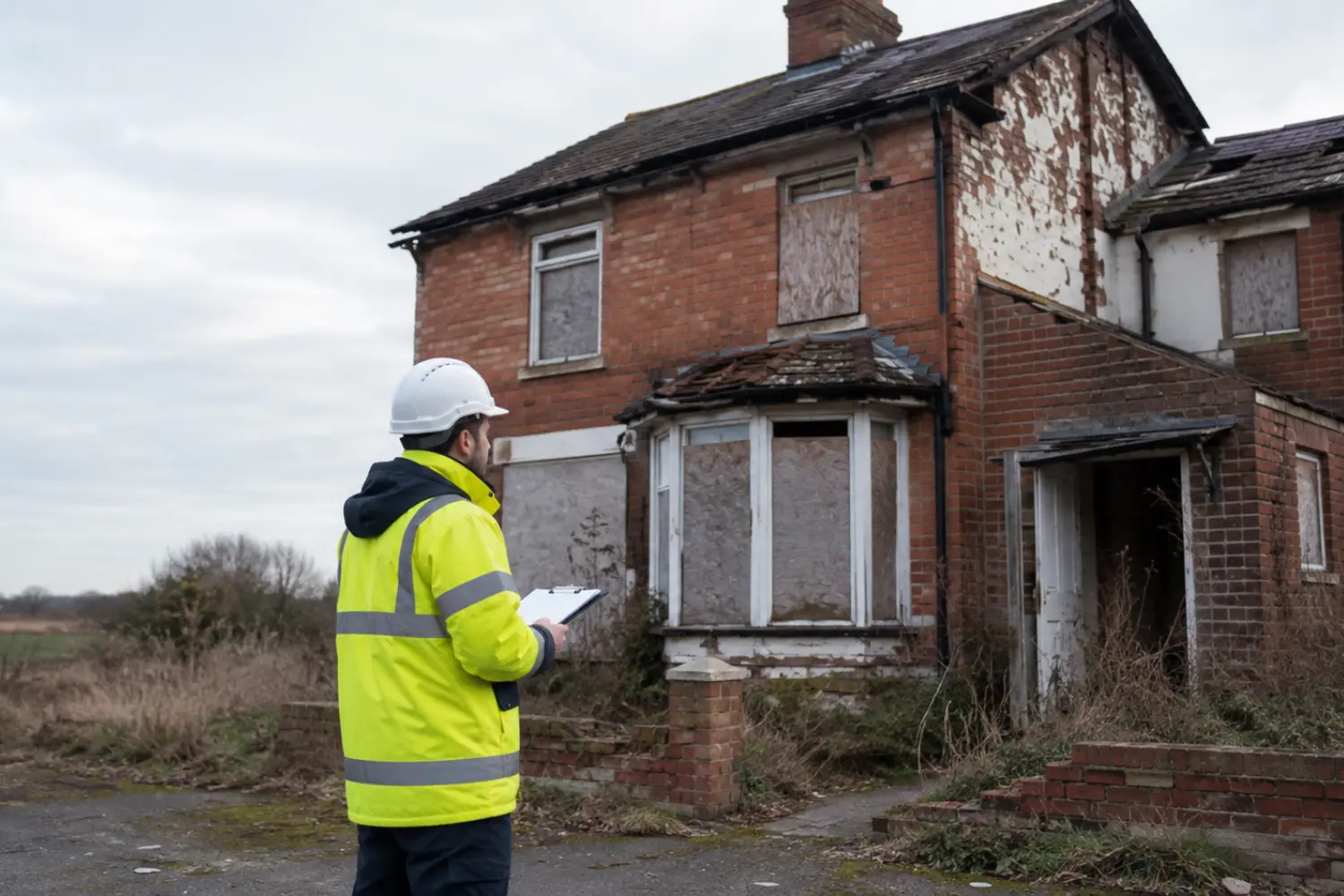
Valuations on this kind of property tend to be more conservative than a standard market valuation. Rather than simply valuing the property as if a sale could happen at leisure, many bridging lenders ask surveyors for a 90-day or 180-day valuation, which reflects what the property would likely fetch if it had to be sold quickly.
That more cautious figure directly affects how much you can borrow, since loan-to-value calculations are based on it rather than the price you have agreed to pay. Understanding the bridging loan valuation process before you apply helps set realistic expectations about how much a lender is likely to offer against an uninhabitable property.
Ready to find out if your property qualifies??
If you have found a property that a mortgage lender has turned down because of its condition, it is worth getting proper legal advice before you commit to anything. Book a free consultation with our bridging loan solicitors to talk through whether a bridging loan on an uninhabitable property is realistic for your situation.
Your exit strategy matters more than the property’s current state
Lenders assessing a bridging loan on an uninhabitable property care far more about how you plan to repay it than about the state it is in on day one. A clear, credible plan, whether that is refinancing onto a standard mortgage once renovations are complete or selling the property once it is habitable, carries real weight in the lending decision.
How lenders assess your bridging loan exit strategy covers this in more depth, but the short version is that a specific, realistic plan will always be viewed more favourably than a vague intention to “sort it out later.”
The refinancing timeline is worth planning early
Some mortgage lenders apply a minimum ownership period, commonly around six months, before they will refinance a bridging loan onto a standard mortgage, even once the property is fully habitable. Not every lender applies this rule, but it is worth checking early, since it affects how you time the renovation work against the end of your bridging loan term.
Common reasons people borrow on uninhabitable properties
A bridging loan on an uninhabitable property tends to come up in a few recurring situations:
- Buying a renovation project at auction, where completion is required within days rather than months
- Purchasing a property that needs work before it can be let out or lived in
- Taking on a property a previous mortgage application has already been declined for
- Acquiring land or a building with an existing structure that needs substantial repair before any other finance becomes available
Property refurbishment finance is closely related to this situation, since many uninhabitable-property purchases are really refurbishment projects that simply have not started yet.
A quick checklist before you apply
Before approaching a lender about an uninhabitable property, it helps to have the following ready:
- A realistic estimate of renovation costs, ideally from a builder rather than a rough guess
- A clear exit strategy, whether that is sale or refinance onto a mortgage
- An understanding of how a 90-day or 180-day valuation might affect your loan-to-value
- Confirmation of the property’s title position, including any covenants or planning issues
- A solicitor lined up who is used to working to bridging loan timescales, not standard conveyancing ones
What is a regulated bridging loan, and does it change anything here?
Whether a bridging loan on an otherwise unmortgageable, uninhabitable property counts as regulated or unregulated depends mainly on who will live there, not on the property’s condition. The FCA’s own guidance on regulated mortgage contracts sets out the test in detail, but broadly, if the property will be lived in by you or a close family member once it is habitable, the loan is likely to be regulated, with the additional protections that brings. An unregulated loan, typically used for investment or development purposes, moves faster but comes with fewer built-in protections, which is exactly why proper legal advice matters just as much on the unregulated side of the market.Thinking about borrowing on a property that needs work?
An uninhabitable property is not automatically an unmortgageable dead end, but it does need the right type of finance and the right legal advice from the outset. Plenty of properties that were unmortgageable on day one go on to become perfectly ordinary, mortgageable homes once the right short-term finance has done its job. A bridging loan can bridge that exact gap, provided the valuation, the legal position, and your exit strategy are all properly worked through before you commit.