

Weighing up bridging loan vs development finance for your next property project? Getting this decision right affects your costs, your timeline, and how smoothly your build actually completes.
Both are forms of short-term secured lending. Both can move faster than a high street mortgage. But they are built for different jobs, and using the wrong one can leave you with the wrong loan structure, the wrong exit strategy, and a much bigger legal headache than you bargained for.
This guide breaks down bridging loan vs development finance in plain English, so you can work out which route suits your project, your timeline, and your budget. As bridging loan solicitors, we also flag where legal advice makes the biggest difference to how smoothly your funding actually completes.
What is a bridging loan?
A bridging loan is a short-term, secured loan that “bridges” the gap between two financial events. That might be buying a new property before you have sold your current one, securing a plot before planning permission comes through, or completing on an auction property within a tight deadline.
Lenders typically assess bridging loans against loan-to-value (LTV), usually capped at around 75% of the property’s current value. Funds are normally released as a single lump sum at the start of the loan, which is what makes bridging finance so useful when speed matters.
Common uses of a bridging loan include:
- Buying a property at auction, often with a 28-day completion deadline
- Breaking a property chain when a sale falls through
- Funding a property refurbishment ahead of sale or refinance
- Securing land before it can be developed
- Refinancing quickly onto a longer-term facility
A bridging loan is usually repaid through a clear bridging loan exit strategy, such as selling the secured property or refinancing onto a mortgage or development facility. Terms typically run from one month up to around 24 months, and many lenders can turn around an offer within days rather than weeks.
What is development finance?
Development finance is built for construction. It funds ground-up builds, large-scale refurbishments, and conversions, where the money is needed in stages rather than all at once.
Rather than being assessed purely on the current value of a property, development finance is usually assessed against Gross Development Value (GDV) — the projected value of the finished scheme — and Loan-to-Cost (LTC), which measures how much of the total build cost the lender is funding.
Funds are released in stages, known as drawdowns, as construction milestones are hit. A monitoring surveyor typically checks progress against the build schedule before each drawdown is released, which protects both the lender and the borrower.
Common uses of development finance include:
- Ground-up residential or commercial developments
- Large-scale refurbishment projects
- Conversions, such as office-to-residential schemes
- Multi-unit or build-to-rent developments
- Mixed-use schemes with a phased construction plan
Development finance terms usually run from around 12 months up to 36 months, reflecting the time a full build genuinely takes from groundworks to completion.
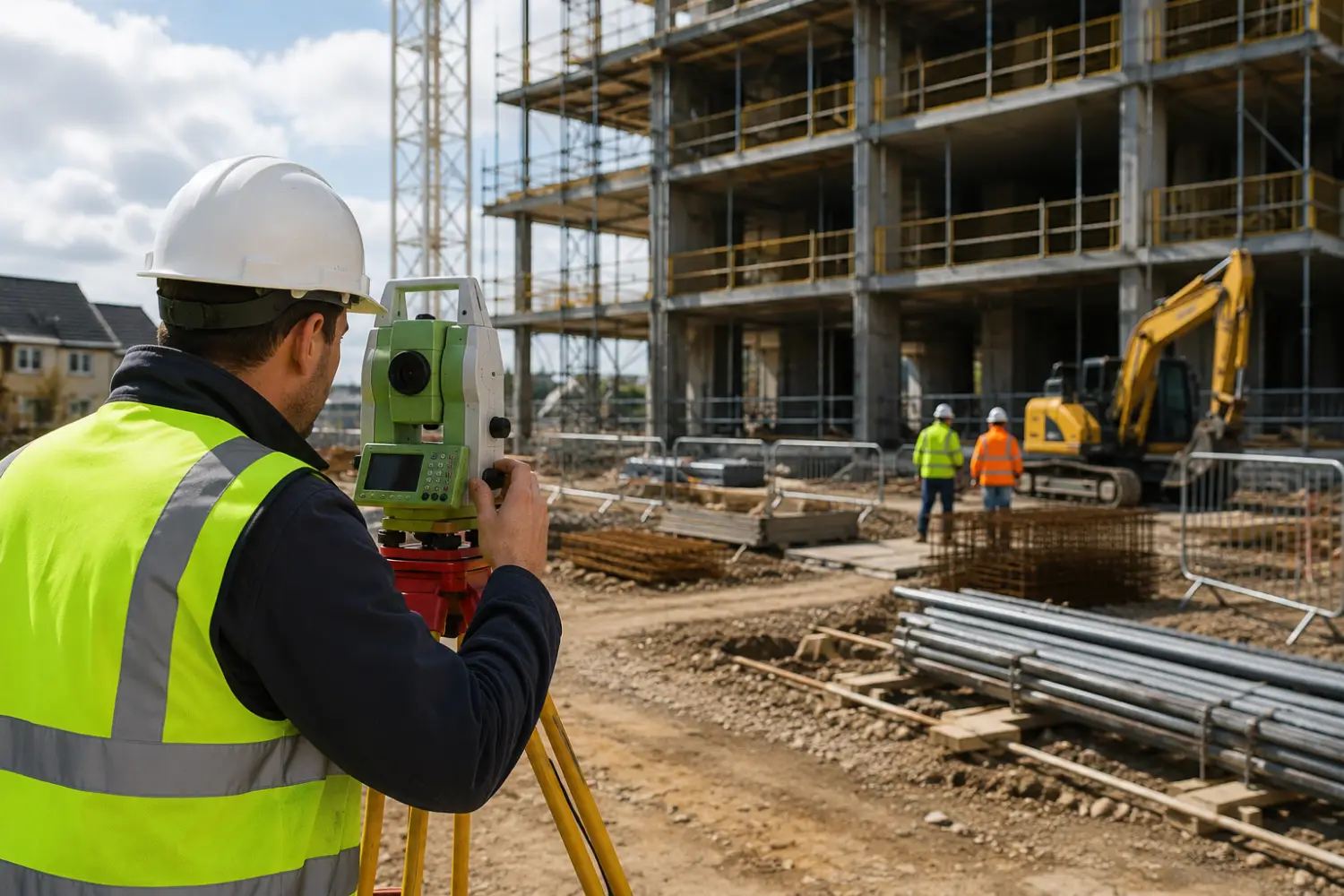
Bridging loan vs development finance: the key differences
Once you line the two up side by side, the differences in bridging loan vs development finance become much clearer:
- Speed: bridging loans can often complete within days; development finance usually takes several weeks due to full project due diligence
- Funds release: bridging loans pay out in one lump sum; development finance is released in staged drawdowns
- Assessment: bridging loans are assessed on LTV; development finance is assessed on GDV and LTC
- Term length: bridging loans typically run 1 to 24 months; development finance usually runs 12 to 36 months
- Oversight: bridging loans involve light-touch checks; development finance involves a monitoring surveyor and ongoing cost reports
- Exit strategy: bridging loans exit through sale, refinance, or a development facility; development finance exits through sale, refinance, or rental income once the scheme is complete
Both routes need a credible exit strategy from day one, and a lender will want to see exactly how you plan to repay before they release a penny.
When a bridging loan makes more sense
A bridging loan tends to be the right call when:
- You need funds released quickly, often within days rather than weeks
- You are buying at auction with a tight completion deadline
- You are securing a property or plot of land before development can begin
- You need to break a property chain to avoid losing a purchase
- The works involved are light refurbishment rather than a full rebuild
If your project is really about acquisition, speed, or a short-term gap in funding, a bridging loan vs development finance comparison will usually point firmly towards bridging.
Not sure which route fits your project?
Every project is different, and getting the wrong facility can cost you time, money, and options further down the line. Our bridging loan solicitors can talk through your project and flag the legal issues worth considering before you commit — get in touch with our team.
When development finance makes more sense
Development finance is generally the better fit when:
- You are building from scratch or carrying out major structural work
- The project needs funding released in stages as work progresses
- You require a higher loan-to-cost ratio than a bridging loan can offer
- Your timeline realistically runs beyond 12 months
- The scheme involves multiple units, phases, or a complex build programme
Experienced and first-time developers alike can access development finance, though lenders will usually want to see a strong project plan, a realistic cost schedule, and a credible exit strategy before funds are released.
Why legal advice matters, whichever route you choose
Whether you land on a bridging loan or development finance, the legal work behind the scenes is what actually gets your funding over the line. Lenders will not release funds until legal due diligence is complete, and mistakes at this stage can delay a project by weeks.
A bridging loan solicitor typically handles:
- Legal due diligence on the security property
- Reviewing the loan agreement and flagging unfair terms
- Property searches, including local authority checks
- Registering the legal charge with the Land Registry
- Managing the secure transfer of funds between lender and borrower
Development finance brings extra legal complexity on top of this, including drawdown certificates, monitoring surveyor reports, and building contracts that need reviewing before each stage of funding is released. A bridging loan solicitor experienced in development deals will also check that your exit strategy is realistic before a lender relies on it.
If your plan involves funding a property refurbishment before moving into a full development facility, it is worth having a bridging loan solicitor review both stages together, rather than treating them as two separate transactions. Similarly, if you are securing a bridging loan for land purchases ahead of development, the legal checks at that stage often shape how smoothly the development finance drawdowns run later.
Costs, speed and risk at a glance
Cost is often the deciding factor once speed and structure have been considered. Bridging loans usually carry higher monthly rates, reflecting their short-term, fast-turnaround nature. Development finance often has more competitive rates, but interest is frequently rolled up across a much longer term, and monitoring surveyor fees add to the overall cost.
Neither option is automatically cheaper. A short bridging loan used for a few months can cost less overall than a rolled-up development facility running for two years, even if the headline rate looks higher. This is exactly the kind of detail worth checking with a bridging loan solicitor before you sign anything, particularly if you are also weighing up auction property purchases against a longer development timeline.
Frequently asked questions
Can a bridging loan be converted into development finance?
In some cases, yes. If your project moves from acquisition into construction, a bridging loan solicitor can help you refinance onto a development facility, provided the new lender’s criteria are met.
Is development finance more expensive than a bridging loan?
Not necessarily. Development finance rates can look lower, but the total cost depends on the term, drawdown structure, and monitoring fees involved, so it is worth comparing the full picture rather than the headline rate alone.
Do I need a solicitor for both bridging loans and development finance?
Yes. Both require legal due diligence, loan agreement review, and charge registration, and development finance typically adds drawdown and monitoring documentation on top.
Ready to get expert legal advice on your bridging loan or development finance deal?
Choosing between a bridging loan vs development finance is only half the job. Getting the legal side right is what keeps your project on schedule and protects you if anything goes wrong. Our bridging loan solicitors act exclusively for borrowers, so your interests come first from the first call to completion.